
Home / Problems we fix / Poor communication
Team building for communication problems When messages keep getting lost in your team
Deadlines slip, work gets done twice, and everyone thought someone else had said it. Our facilitated team building makes those habits visible and gives your team a better way to talk.
Usually solved with The Communication Programme
Signs you will recognise
- People find out about decisions after they have been made
- Emails and WhatsApp groups replace real conversations
- The same mistakes come back after every hand-over
- People assume instead of asking, then defend the assumption
- Meetings end with everyone nodding but nobody clear on who does what
Why it happens
Communication problems are rarely about people who can't talk. They come from habits: assuming, not checking, passing on half the message because everyone is busy. Those habits are hard to see from inside the team, which is why another meeting or another email rule seldom fixes them.
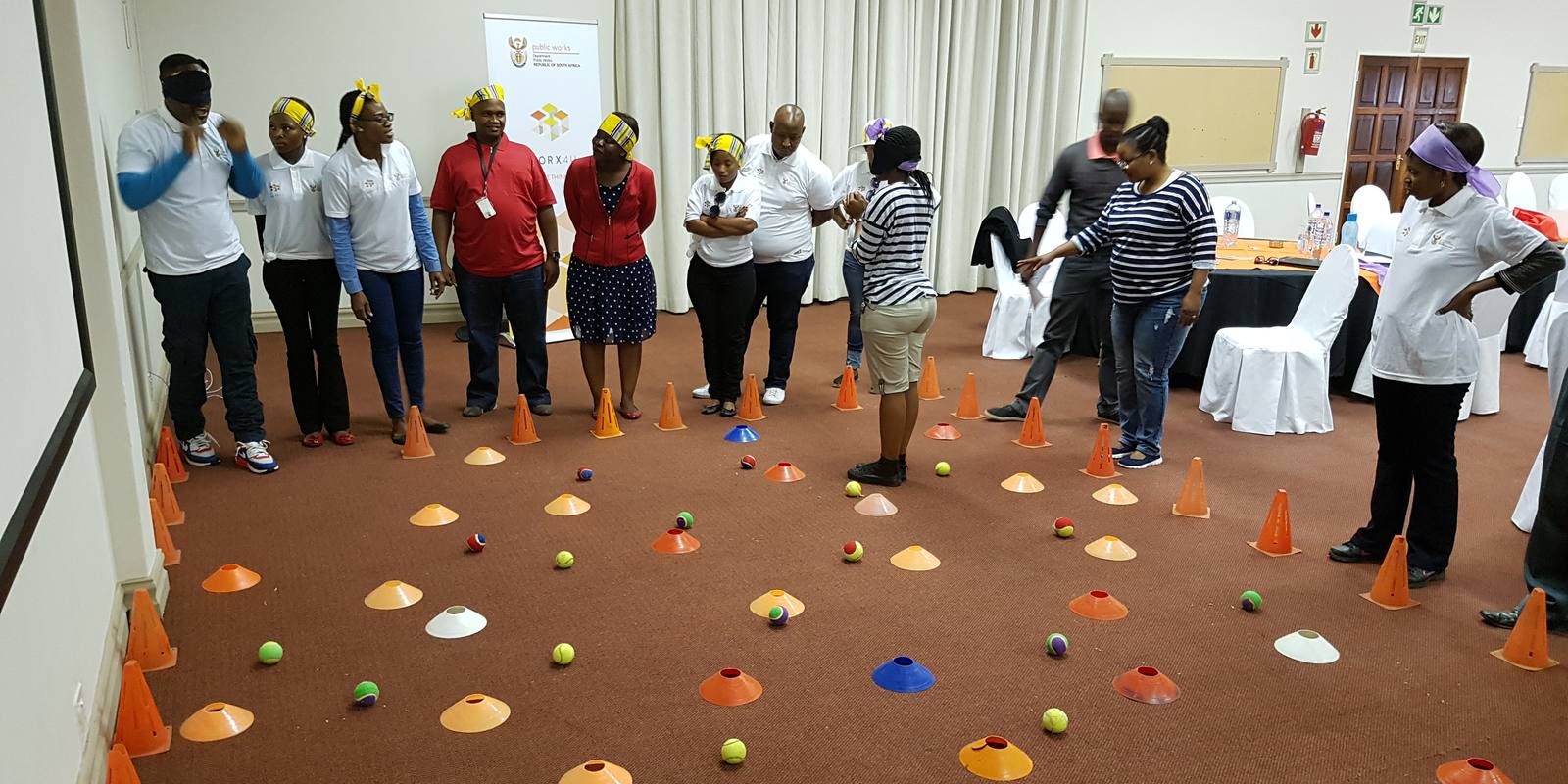
A well-designed challenge puts the same habits under pressure where nothing real is at stake. People see them happen in front of them and can talk about them without anyone feeling blamed.
How we tackle it
Usually with The Communication Programme, adjusted to your team after the planning call.
Planning call
We ask where information gets lost in your team: between which people, departments, levels or shifts. That shapes the challenges and the debrief.
Build a Bridge
Two halves of the group build to one specification without seeing each other's work. Every assumption shows up when the halves have to meet.
Facilitated debrief
We link what happened to your real hand-overs and the team agrees one or two habits to try, such as repeating back key instructions.
Written summary
What we saw and the habits agreed, by email, so managers can follow up.
What changes afterwards
- A shared language for checking understanding
- A clear picture of where your own hand-overs break down
- One or two concrete habits agreed by the team itself
What a team day can't fix
One day won't rewrite how a team communicates. What it does is make the problem visible and agreed, so the habits that follow have a real chance of sticking. The written summary is there to help managers keep them going.
Other problems we help with
Conflict and tension
People avoid each other, take sides or have stopped speaking up.
Usually: The Communication Programme
Silos between departments
Departments blame each other and requests between teams disappear.
Usually: The Communication Programme
Lack of trust
People keep things to themselves, don't ask for help and check each other's work twice.
Usually: The New Team Programme
Low morale
The team is tired and flat after a tough year, a restructure or constant pressure.
Usually: The Give-Back Programme
A new manager
A new manager is taking over, or someone has been promoted to lead their former peers.
Usually: The New Team Programme
Start with a 15‑minute planning call
Tell Mark what is going on in your team. He will suggest a programme and send a proposal with one all-inclusive price. No obligation.