
Home / Problems we fix / Lack of trust
Team building to build trust When people in the team don't rely on each other
Trust shows up in small things: asking for help, admitting a mistake, handing work over without checking it twice. We run programmes that give people real reasons to trust each other.
Usually solved with The New Team Programme
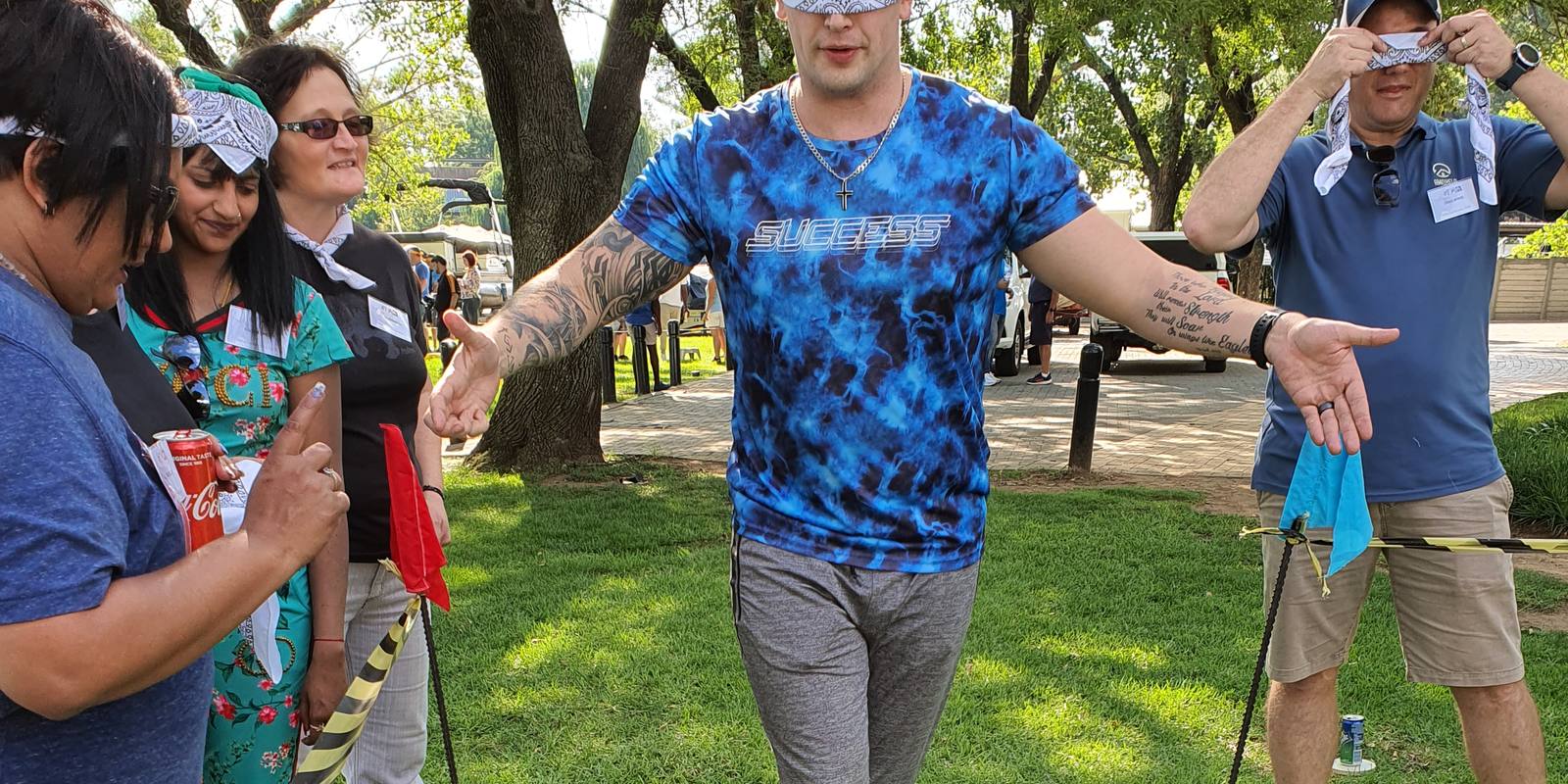
Signs you will recognise
- People keep information to themselves
- Nobody admits a mistake until it is too late
- Work is checked and re-checked, or done alone rather than shared
- New people stay outsiders for months
- People are polite in meetings and say what they really think afterwards
Why it happens
Trust grows when people rely on each other and it works out. In a busy workplace there are few chances for that, so people protect themselves instead.
A well-designed challenge creates those moments quickly. Teams have to depend on each other to succeed, and the debrief helps them see what made trust possible and what got in the way.
How we tackle it
Usually with The New Team Programme, adjusted to your team after the planning call.
Planning call
We ask where trust is missing: between colleagues, between a team and its manager, or with people who joined recently.
Pipeline
Everyone holds a short length of pipe, and the ball only reaches the end if every hand-over works. Nobody can succeed alone.
Team Art
Each person paints one part of a larger picture. It only comes together when everyone trusts the others to do their part.
Debrief and written summary
We talk about what made it easier or harder to rely on each other, and the team agrees what it will do differently.
What changes afterwards
- Shared experiences of relying on each other and it working
- An honest conversation about what helps and hurts trust in your team
- Agreed habits, such as how to ask for help or flag a problem early
What a team day can't fix
Trust that was broken by something specific, such as a badly handled restructure or a manager's decision, needs that issue addressed directly. A programme can open the conversation, but it shouldn't be used to paper over it.
Other problems we help with
Poor communication
Messages get lost, people assume instead of asking, and hand-overs keep breaking.
Usually: The Communication Programme
Conflict and tension
People avoid each other, take sides or have stopped speaking up.
Usually: The Communication Programme
Silos between departments
Departments blame each other and requests between teams disappear.
Usually: The Communication Programme
Low morale
The team is tired and flat after a tough year, a restructure or constant pressure.
Usually: The Give-Back Programme
A new manager
A new manager is taking over, or someone has been promoted to lead their former peers.
Usually: The New Team Programme
Start with a 15‑minute planning call
Tell Mark what is going on in your team. He will suggest a programme and send a proposal with one all-inclusive price. No obligation.